
+918048034530

Currently it only shows your basic business info. Start adding relevant business details such as description, images and products or services to gain your customers attention by using Boost 360 android app / iOS App / web portal.

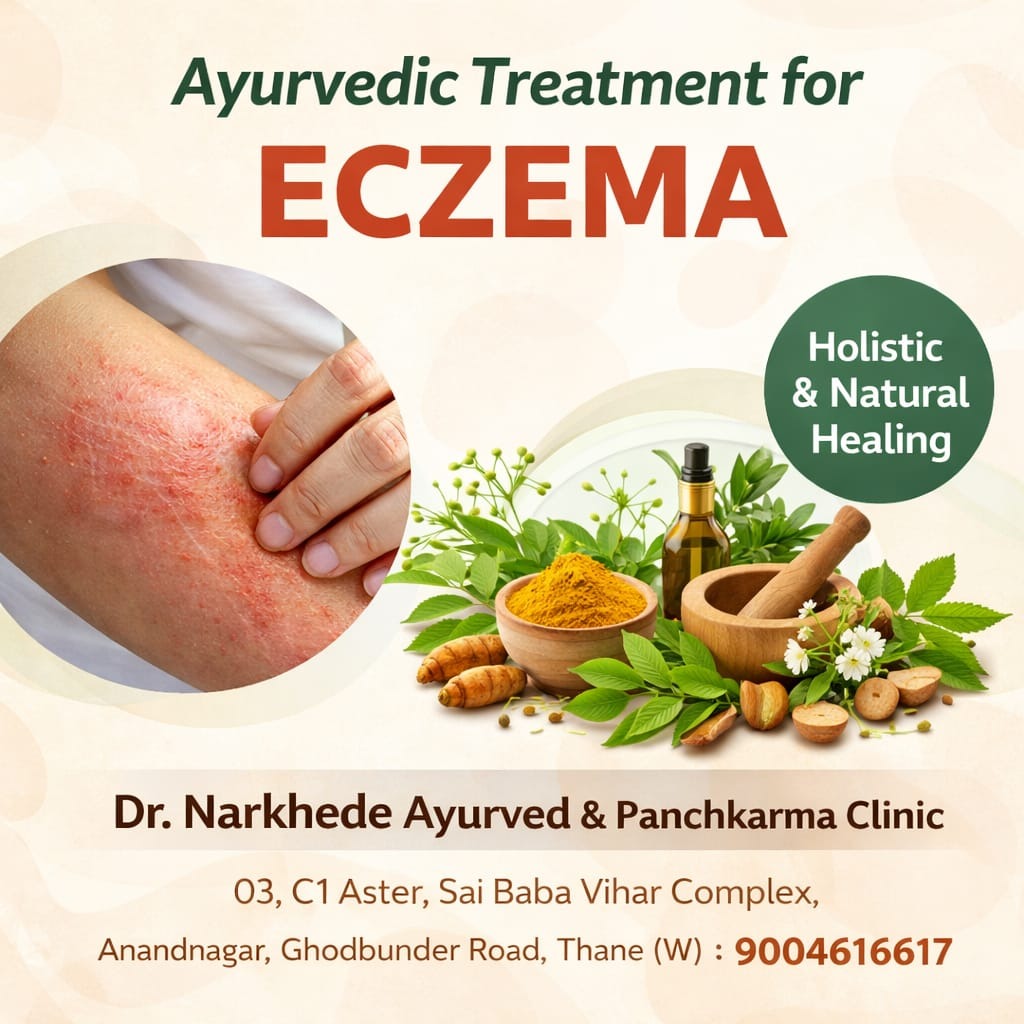
Eczema and Ayurveda: A Holistic Approach to Healing the Skin Naturally Eczema is a common yet often frustrating skin condition characterized by dryness, itching, redness, and inflammation. While modern medicine offers several treatments to manage symptoms, many individuals seek natural alternatives that address the root cause rather than just temporary relief. Ayurveda, the ancient system of holistic healing, provides a gentle and effective approach to managing eczema by balancing the body, mind, and environment. Understanding Eczema Through Ayurveda In Ayurveda, eczema is closely associated with an imbalance in the doshas—primarily Pitta and Kapha. Pitta governs heat and metabolism, and when aggravated, it can lead to inflammation and redness. Kapha, on the other hand, is linked to moisture and structure, and its imbalance can result in oozing, thickened skin, and itching. Sometimes, Vata imbalance may also contribute to extreme dryness and scaling. Rather than treating eczema as a superficial skin issue, Ayurveda views it as a reflection of internal imbalance, particularly in digestion and blood purification. Root Causes According to Ayurveda Ayurveda identifies several underlying causes that may trigger or worsen eczema. Poor digestion (Agni imbalance) leads to the accumulation of toxins (Ama) in the body. These toxins circulate through the bloodstream and eventually manifest on the skin. Dietary habits such as excessive consumption of spicy, oily, or processed foods can aggravate the condition. Emotional stress, lack of sleep, and environmental factors like pollution also play a significant role. Ayurvedic Treatment Principles The Ayurvedic approach focuses on detoxification, restoring digestive health, calming inflammation, and nourishing the skin from within. Treatment is personalized based on an individual’s dosha constitution and severity of symptoms. One of the primary steps is detoxification, often achieved through therapies like Panchakarma. This helps eliminate toxins and reset the body’s natural balance. Alongside detox, improving digestion is crucial. Herbal formulations are used to strengthen Agni and prevent further toxin buildup. Blood purification is another key aspect of treatment. Herbs known for their cleansing properties help remove impurities and reduce inflammation, leading to clearer skin over time. Herbal Remedies for Eczema Ayurveda makes extensive use of herbs that have anti-inflammatory, antibacterial, and healing properties. Neem is widely regarded for its detoxifying and skin-purifying effects. Turmeric acts as a natural anti-inflammatory agent and helps reduce itching and redness. Manjistha is commonly used to cleanse the blood and improve skin health. Aloe vera is often applied externally to soothe irritated skin and promote healing. Coconut oil, infused with medicinal herbs, can be used to moisturize dry patches and reduce itching. Dietary Recommendations Diet plays a central role in managing eczema through Ayurveda. A Pitta-pacifying diet is generally recommended, which includes cooling and easily digestible foods. Fresh fruits, vegetables, whole grains, and plenty of water help maintain internal balance. Spicy, fried, and fermented foods should be minimized as they can aggravate inflammation. Dairy products may need to be reduced in some cases, especially if they worsen symptoms. Incorporating herbal teas and natural detox drinks can support digestion and cleanse the system. Lifestyle and Daily Routine A consistent daily routine helps maintain dosha balance and supports overall healing. Stress management is particularly important, as emotional triggers can exacerbate eczema. Practices like yoga, meditation, and deep breathing exercises can calm the mind and reduce flare-ups. Adequate sleep and proper hydration are essential for skin repair. Gentle skincare using natural products is encouraged, avoiding harsh chemicals that can irritate sensitive skin. External Therapies Ayurvedic external treatments include herbal pastes, medicated oils, and therapeutic baths. These help soothe inflammation, reduce itching, and promote skin regeneration. Oil massages using cooling oils can also improve circulation and nourish the skin. A Long-Term Healing Perspective Unlike quick-fix treatments, Ayurveda emphasizes gradual and sustainable healing. The goal is not just to suppress symptoms but to correct the internal imbalance that causes eczema. With consistent care, dietary discipline, and proper guidance, many individuals experience significant improvement in their skin condition. Conclusion Eczema can be challenging, but Ayurveda offers a comprehensive and natural path toward relief and long-term wellness. By addressing the root causes, detoxifying the body, and nurturing the skin with herbal remedies and mindful living, it is possible to achieve healthier, more resilient skin. Embracing this holistic approach encourages not just physical healing, but a deeper sense of balance and well-being.


